
Reference
What each cargo aircraft can lift
Payload, hold volume, inside size and the door opening, from the 747-8F down to helicopters that land where there is no runway.
Open one aircraft
Sorted by the job they fly. Figures are published manufacturer or operator values. If a number is not published, that row is left out.
21 of 21 aircraft in view
Widebody freighters
Main decks tall enough for a standard pallet, with container holds under the floor.
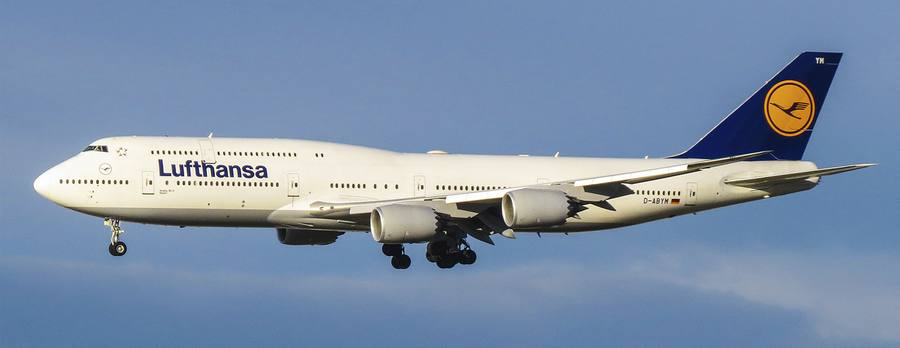 Boeing 747-8F
Largest series-built freighter, with a hinging nose
134,200 kg
Open the type
Boeing 747-8F
Largest series-built freighter, with a hinging nose
134,200 kg
Open the type
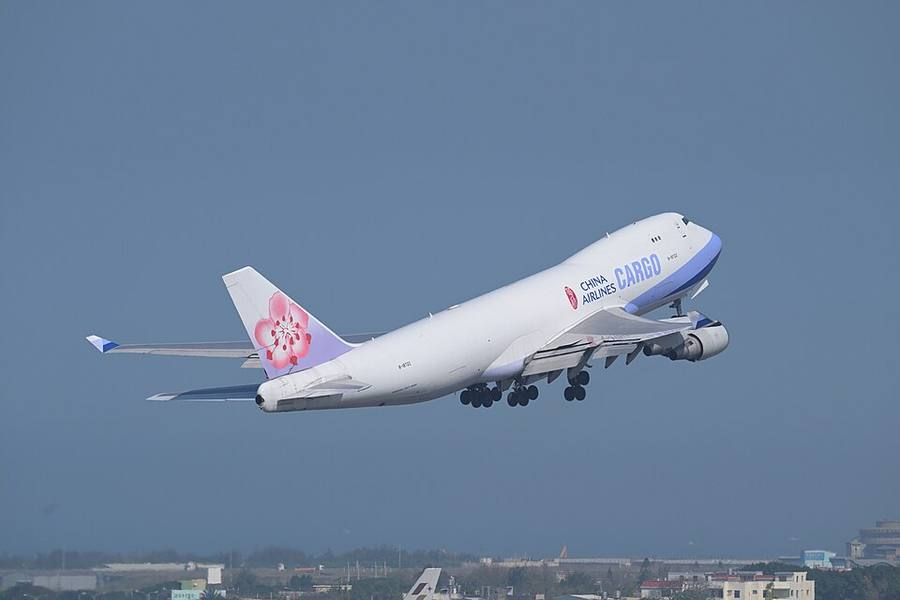 Boeing 747-400F
Nose-door long-haul freighter of the previous generation
112,900 kg
Open the type
Boeing 747-400F
Nose-door long-haul freighter of the previous generation
112,900 kg
Open the type
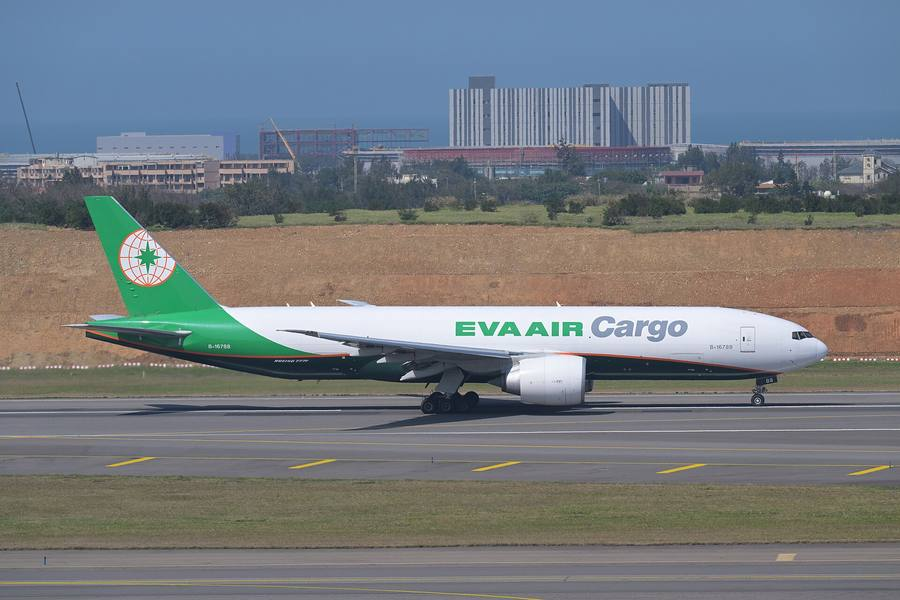 Boeing 777F
Twin-engine freighter on the long-haul routes
107,000 kg
Open the type
Boeing 777F
Twin-engine freighter on the long-haul routes
107,000 kg
Open the type
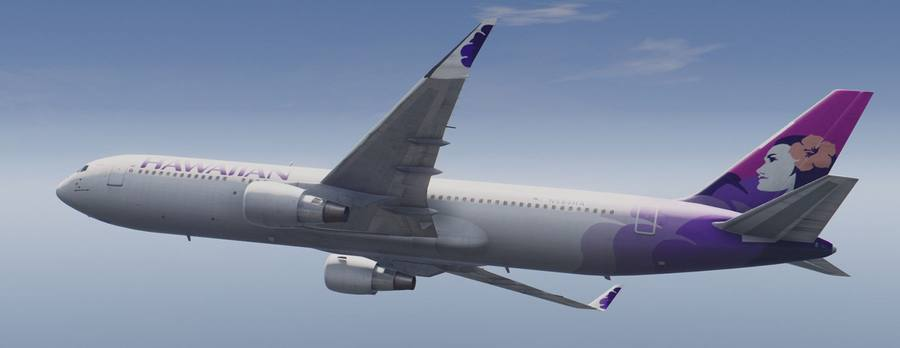 Boeing 767-300F
Medium widebody used by the integrators
57,000 kg
Open the type
Boeing 767-300F
Medium widebody used by the integrators
57,000 kg
Open the type
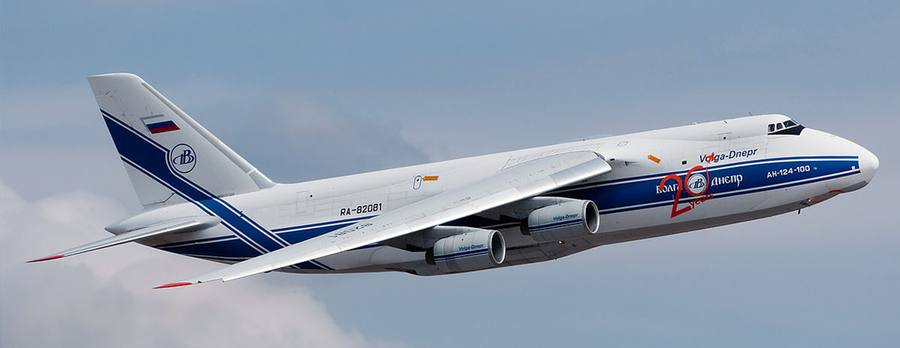
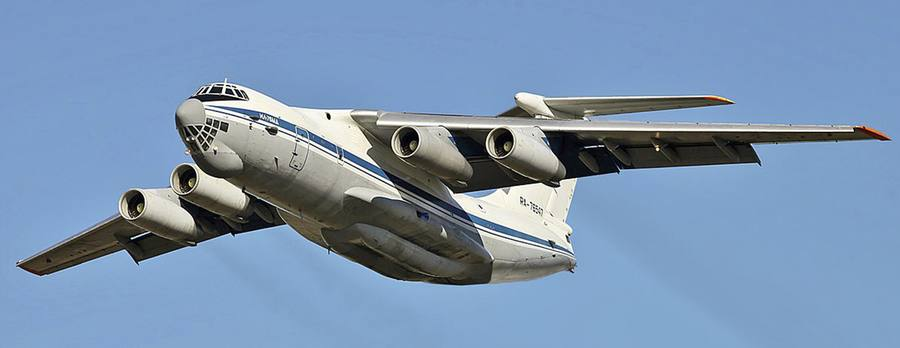
Outsize and ramp freighters
Ramp aircraft for pieces that will not go on a pallet or be taken apart.
Narrowbody freighters
Converted single-aisle jets that feed the hubs and fly short, frequent express sectors.
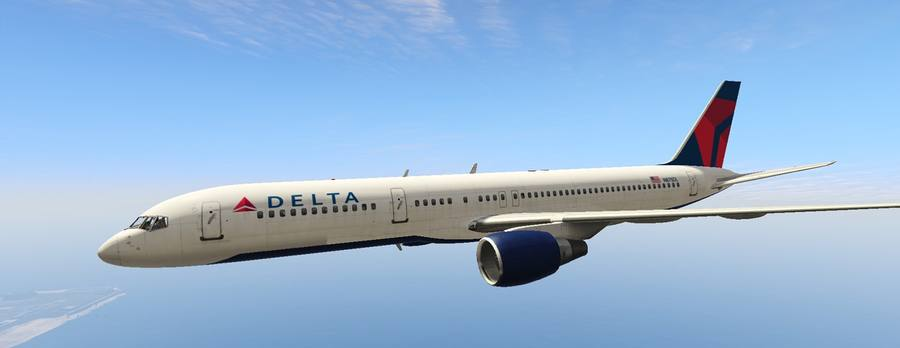 Boeing 757-200F
Narrowbody that built the overnight express networks
36,000 kg
Open the type
Boeing 757-200F
Narrowbody that built the overnight express networks
36,000 kg
Open the type
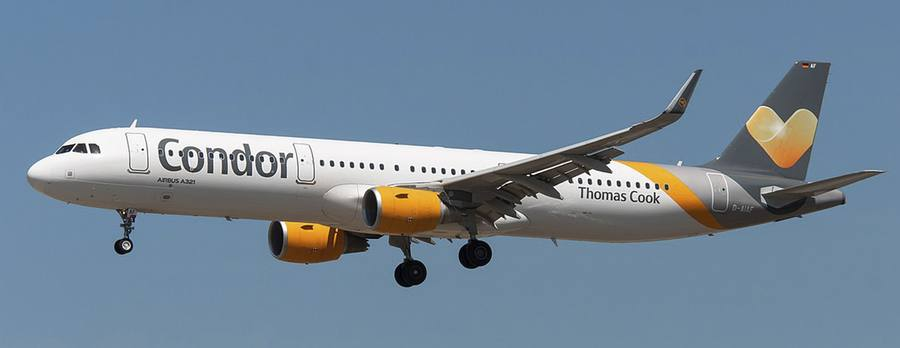 Airbus A321P2F
Single-aisle conversion with containers above and below
28,000 kg
Open the type
Airbus A321P2F
Single-aisle conversion with containers above and below
28,000 kg
Open the type
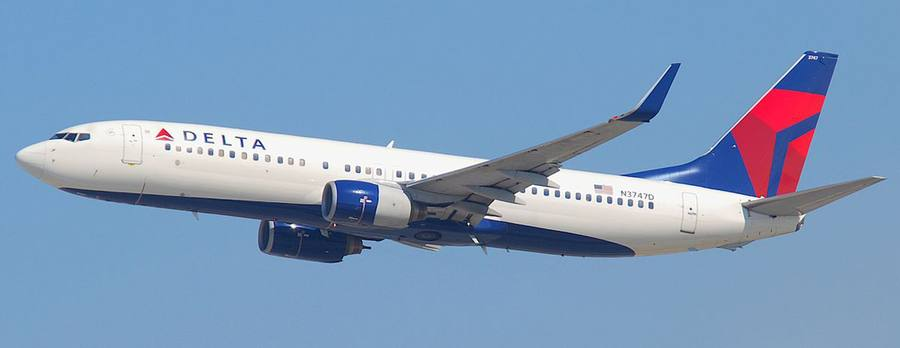 Boeing 737-400F
Converted 737 that feeds the long-haul hubs
21,364 kg
Open the type
Boeing 737-400F
Converted 737 that feeds the long-haul hubs
21,364 kg
Open the type
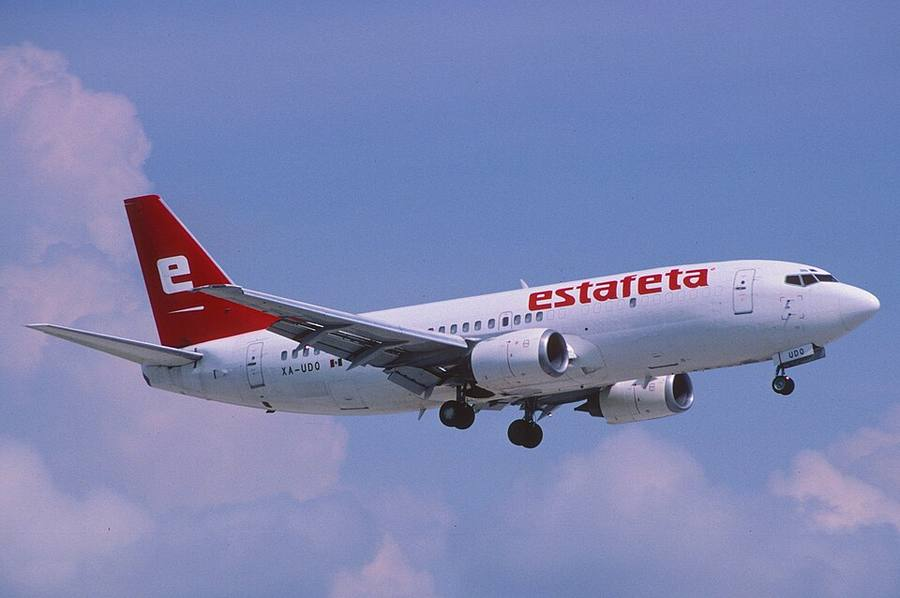 Boeing 737-300F
Earlier 737 conversion on the same feeder job
19,460 kg
Open the type
Boeing 737-300F
Earlier 737 conversion on the same feeder job
19,460 kg
Open the type
Regional and light freighters
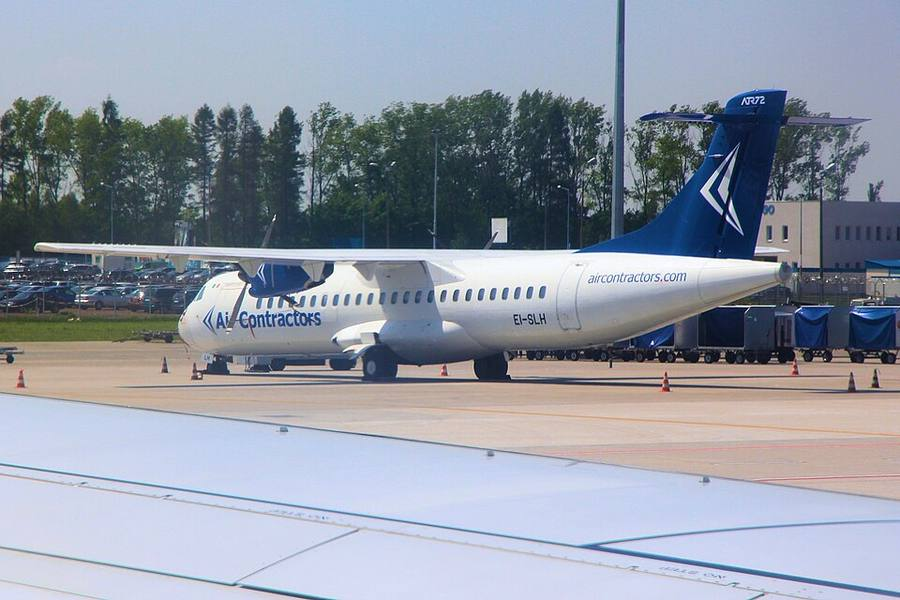
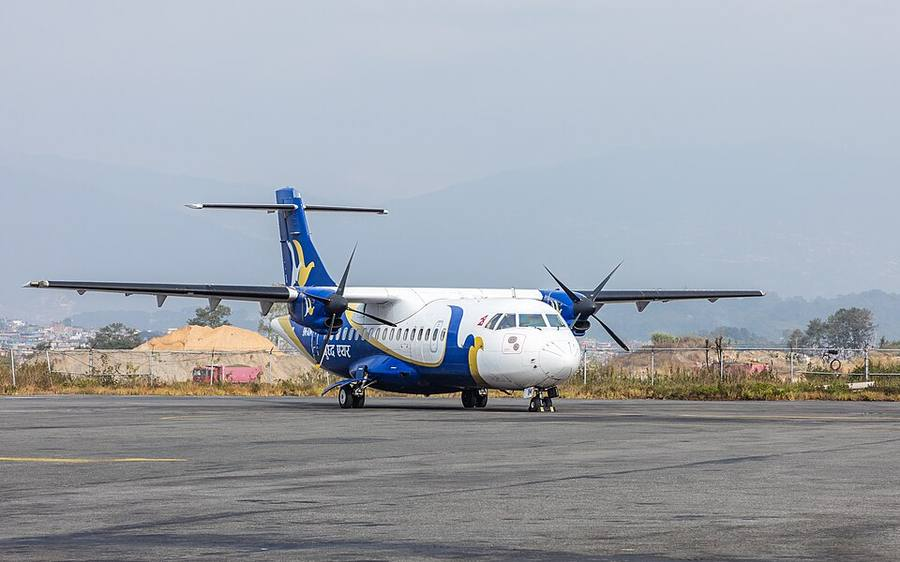
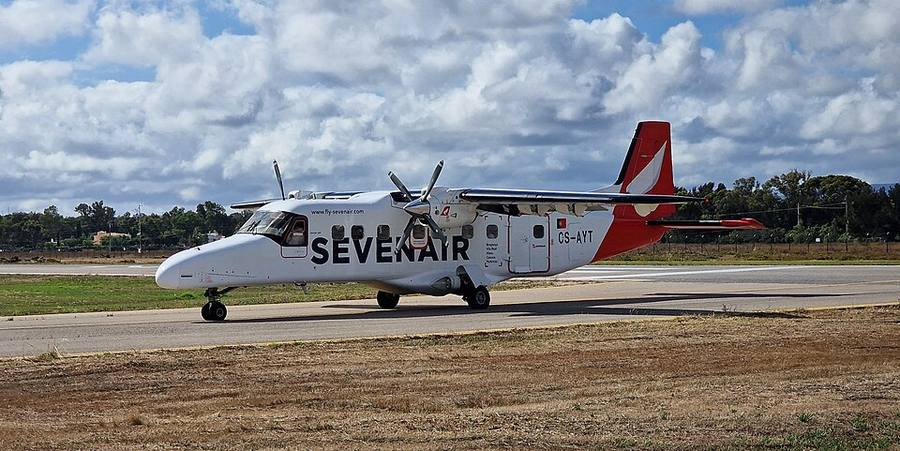
Small turboprops and light twins on thin routes and short, lightly built strips.
Cargo helicopters
Rotorcraft that deliver where there is no runway, inside the cabin or on a sling.
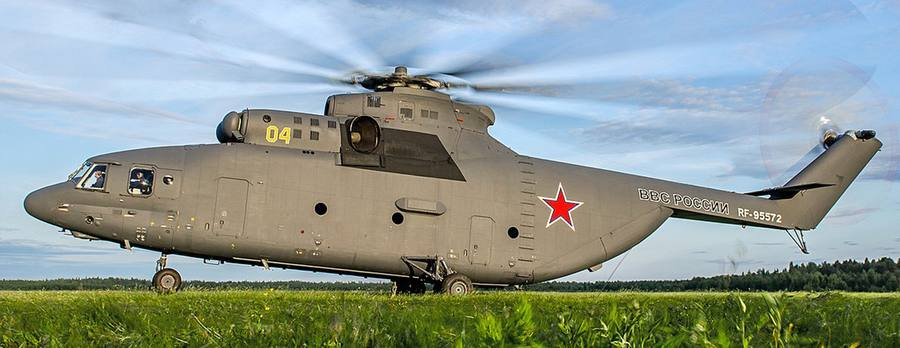 Mil Mi-26
Heaviest-lifting helicopter still in service
20,000 kg
Open the type
Mil Mi-26
Heaviest-lifting helicopter still in service
20,000 kg
Open the type
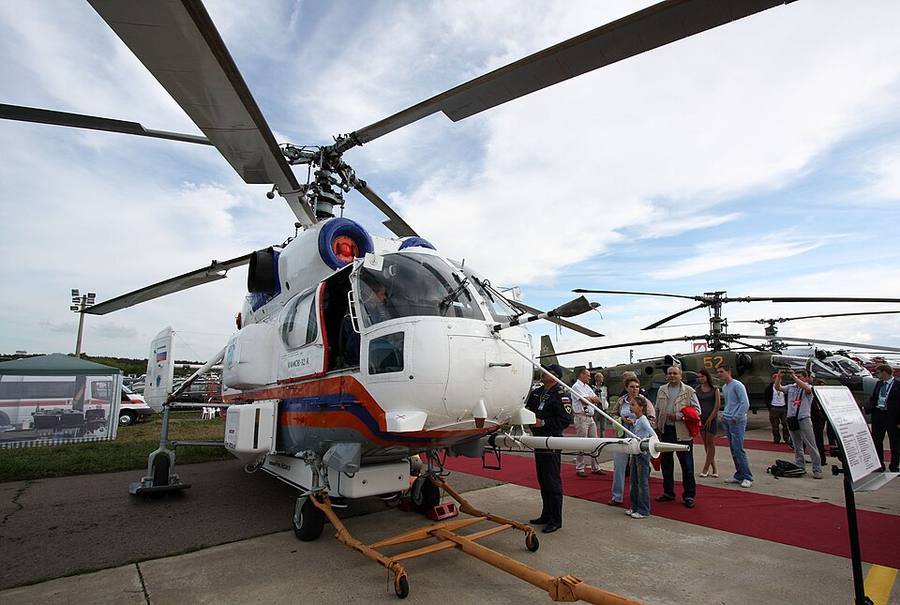 Kamov Ka-32
Coaxial rotors for lifts in a tight space
3,700 kg (5,000 kg slung)
Open the type
Kamov Ka-32
Coaxial rotors for lifts in a tight space
3,700 kg (5,000 kg slung)
Open the type
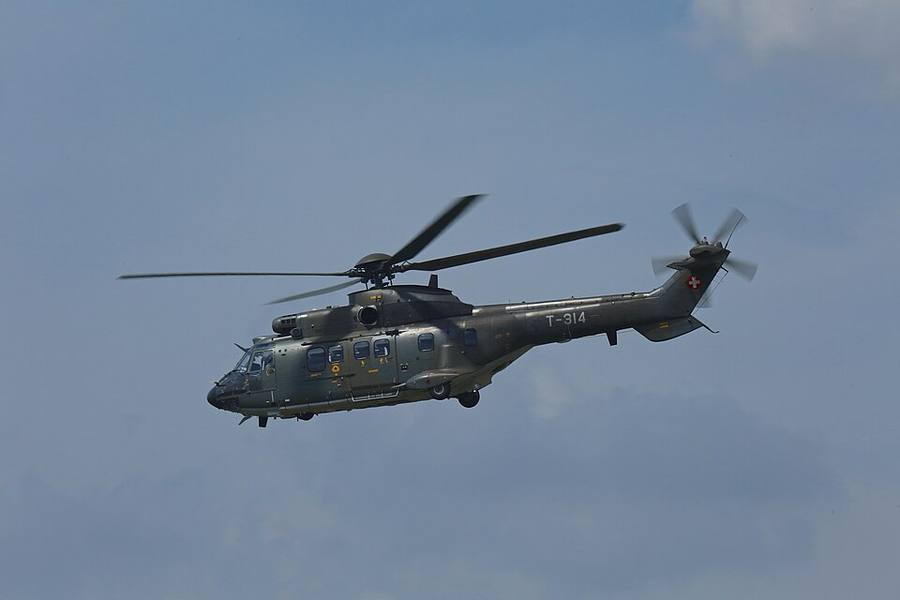 Eurocopter AS-332 Super Puma
Medium helicopter for offshore and utility lifts
About 4,500 kg
Open the type
Eurocopter AS-332 Super Puma
Medium helicopter for offshore and utility lifts
About 4,500 kg
Open the type
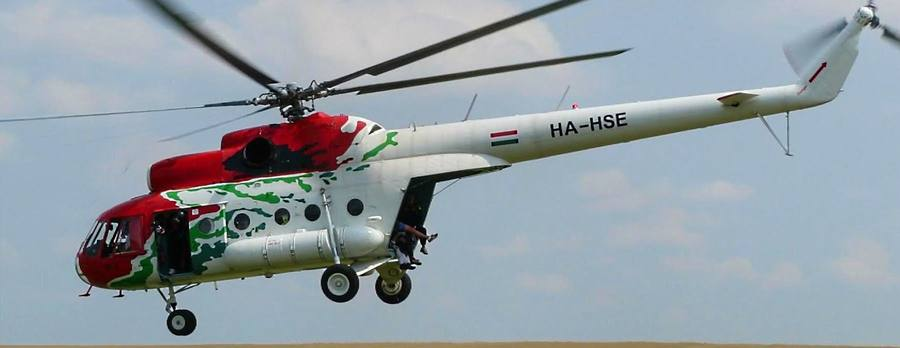 Mil Mi-8
General-purpose helicopter for sites with no strip
4,000 kg
Open the type
Mil Mi-8
General-purpose helicopter for sites with no strip
4,000 kg
Open the type
Retired and historic types
Types no longer offered for commercial cargo, kept here so the record stays. Each entry says why.
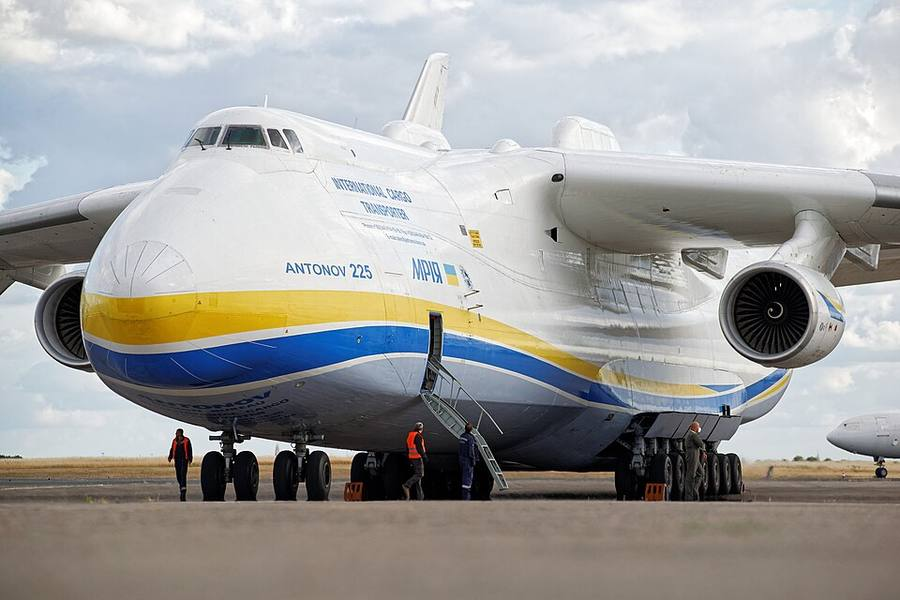 Antonov An-225 Mriya
Largest aircraft ever flown, now lost
250,000 kg
Open the type
Antonov An-225 Mriya
Largest aircraft ever flown, now lost
250,000 kg
Open the type
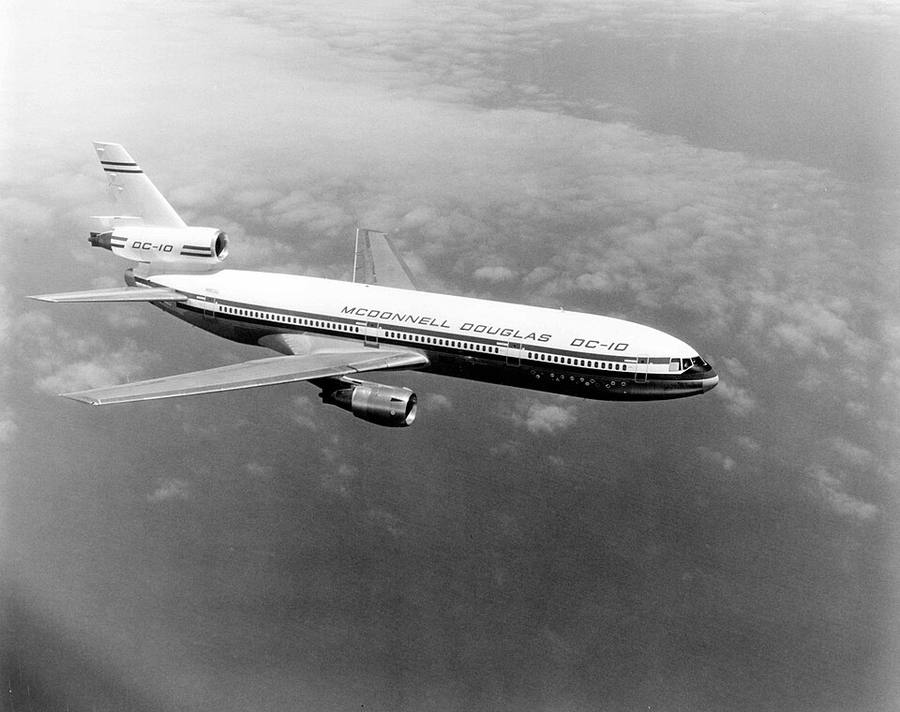 McDonnell Douglas DC-10F
Three-engine widebody freighter, now mostly withdrawn
65,000 kg
Open the type
McDonnell Douglas DC-10F
Three-engine widebody freighter, now mostly withdrawn
65,000 kg
Open the type
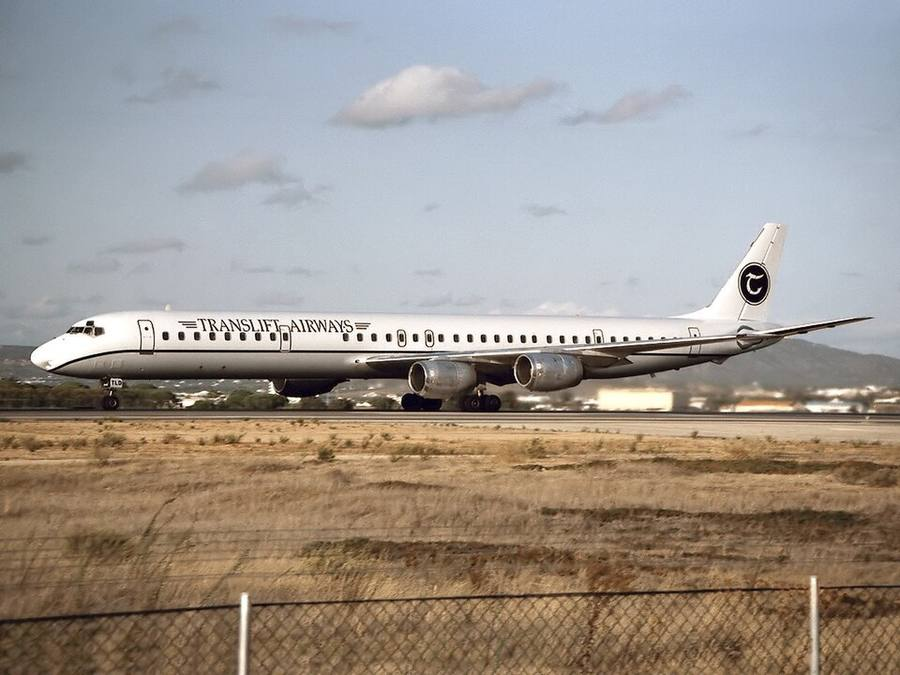 McDonnell Douglas DC-8-71/73F
Stretched DC-8 re-engined for later cargo years
48,000 kg
Open the type
McDonnell Douglas DC-8-71/73F
Stretched DC-8 re-engined for later cargo years
48,000 kg
Open the type
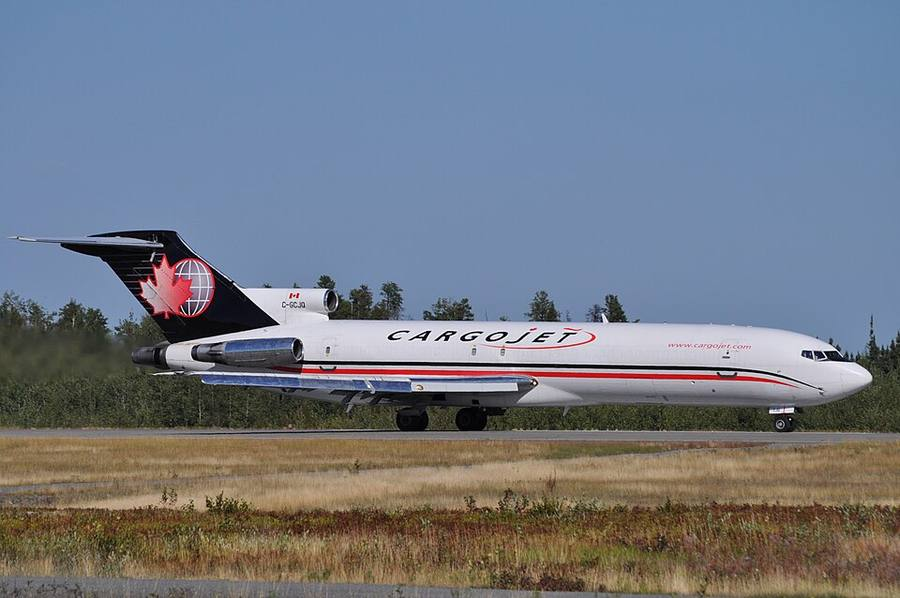 Boeing 727-200F
Three-engine jet that started overnight express
24,042 kg
Open the type
Boeing 727-200F
Three-engine jet that started overnight express
24,042 kg
Open the type
Nothing matches. Try another name or group.
Several photographs on these pages come from Wikimedia Commons under public-domain and Creative Commons licences. The photographer and licence are named on that aircraft’s own page.
What turns an airframe into a freighter
A cargo aircraft is built, or converted, to move freight. Many start as the passenger version: the cabin comes out, and the structure is changed for a different job. Fittings are simpler, the hold is more usable, the cargo door is larger, the floor is stronger, and systems on board slide a load into place.
The same kinds of change show up across types:
- A high wing on the ramp freighters, so the cargo floor sits close to the ground and the hold stays clear of the wing box.
- A stronger undercarriage, often with extra wheels, so a heavier and more concentrated load is spread out.
- Cargo doors in the fuselage side, and on some types in the roof, large enough for a full-height pallet.
- Nose and tail access on the outsize types: a hinging nose or a swinging tail, often with a ramp so cargo can be driven aboard.
- A smaller flight-deck door and a rigid barrier between the crew and the cargo compartment.
- No cabin windows, which cuts weight and simplifies the shell.
Those changes exist so loading and unloading take less time. Ground time is what an air freight operation actually pays for.