
Reference
Dornier 228
Light twin that uses very short strips. Payload, hold, door and the job it usually flies are below.
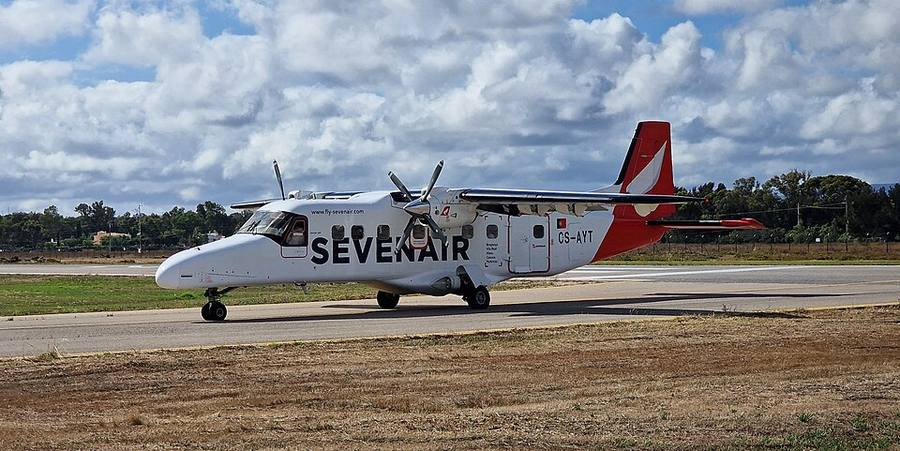
- Structural payload
- 1,950 kg
- Hold volume
- 18 m³
- Hold length × width × height
- 7.08 × 1.34 × 1.55 m
- Main cargo door
- 1.33 × 1.38 m
How the Dornier 228 is used
A light twin turboprop with short take-off performance and a large rear cargo door.
It reaches unpaved and very short strips that nothing larger can use. Survey, island hops and remote resupply are as typical as pure freight.
Cargo it usually takes
How this family is arranged
- A regional turboprop converted to freight: cabin removed, floor strengthened, and a cargo door cut into the side.
- The door is in the side, so cargo goes in piece by piece or on small pallets. It is not driven up a ramp.
- Tie-down rails sit in the floor. A net or barrier separates the hold from the flight deck.
- Turboprop engines and a low approach speed let these aircraft use short, lightly built runways.
Why operators pick it
- It pays on thin routes where even a narrowbody jet would fly mostly empty.
- It uses short regional strips that no jet freighter can accept.
- A low cost per flying hour suits scheduled feeder work and small time-critical shipments.
- Turns are short, so one aircraft can fly several sectors a day around a regional network.
Settle these points before you book
- Payload is a few tonnes. A heavier shipment needs more rotations or a larger type.
- The side door limits piece size to what can turn through the opening.
- Range is short. These are feeder aircraft, not line-haul equipment.