
Reference
Boeing 767-300F
Medium widebody used by the integrators. Payload, hold, door and the job it usually flies are below.
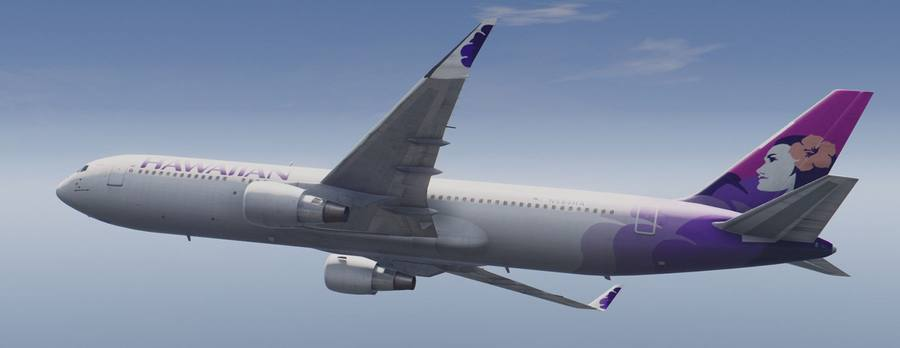
- Structural payload
- 57,000 kg
- Hold volume
- 450 m³
- Hold length × width × height
- 38.90 × 4.50 × 2.50 m
- Main cargo door
- 3.40 × 2.50 m
How the Boeing 767-300F is used
A medium widebody freighter at about half the payload of a 777F. It is built new and also converted from passenger aircraft in large numbers.
It is the core of the integrators' widebody fleets and of medium-haul cargo: enough space to gather a network's freight, small enough to fill on routes where a 777F would leave positions empty.
Cargo it usually takes
How this family is arranged
- The main deck is cleared of cabin fittings and floored for pallets and containers. A cargo door in the forward or aft fuselage takes a full-height pallet.
- Powered rollers and a ball mat let one handler push a loaded pallet into place instead of lifting it.
- Floor locks catch the pallet base and hold the load in flight, so separate lashing is not required for a standard unit.
- A rigid barrier sits behind the flight deck. Smoke detection and suppression cover the cargo deck.
- Lower holds stay under the main deck and take the same LD containers a passenger aircraft carries.
Why operators pick it
- Payload and volume are the highest in air freight, which is what makes a long-haul cargo flight pay.
- Standard ULDs are built away from the aircraft and lifted aboard in minutes.
- Main-deck height takes tall pieces that a belly hold cannot accept.
- Range with a full load covers an intercontinental sector without a fuel stop.
Settle these points before you book
- It needs a main-deck loader and a stand that can take a widebody, so fewer airports can handle it.
- A full structural payload usually shortens the sector. Payload and range move against each other.
- Capacity sits at a few hubs, so the routing may add a road leg at either end.